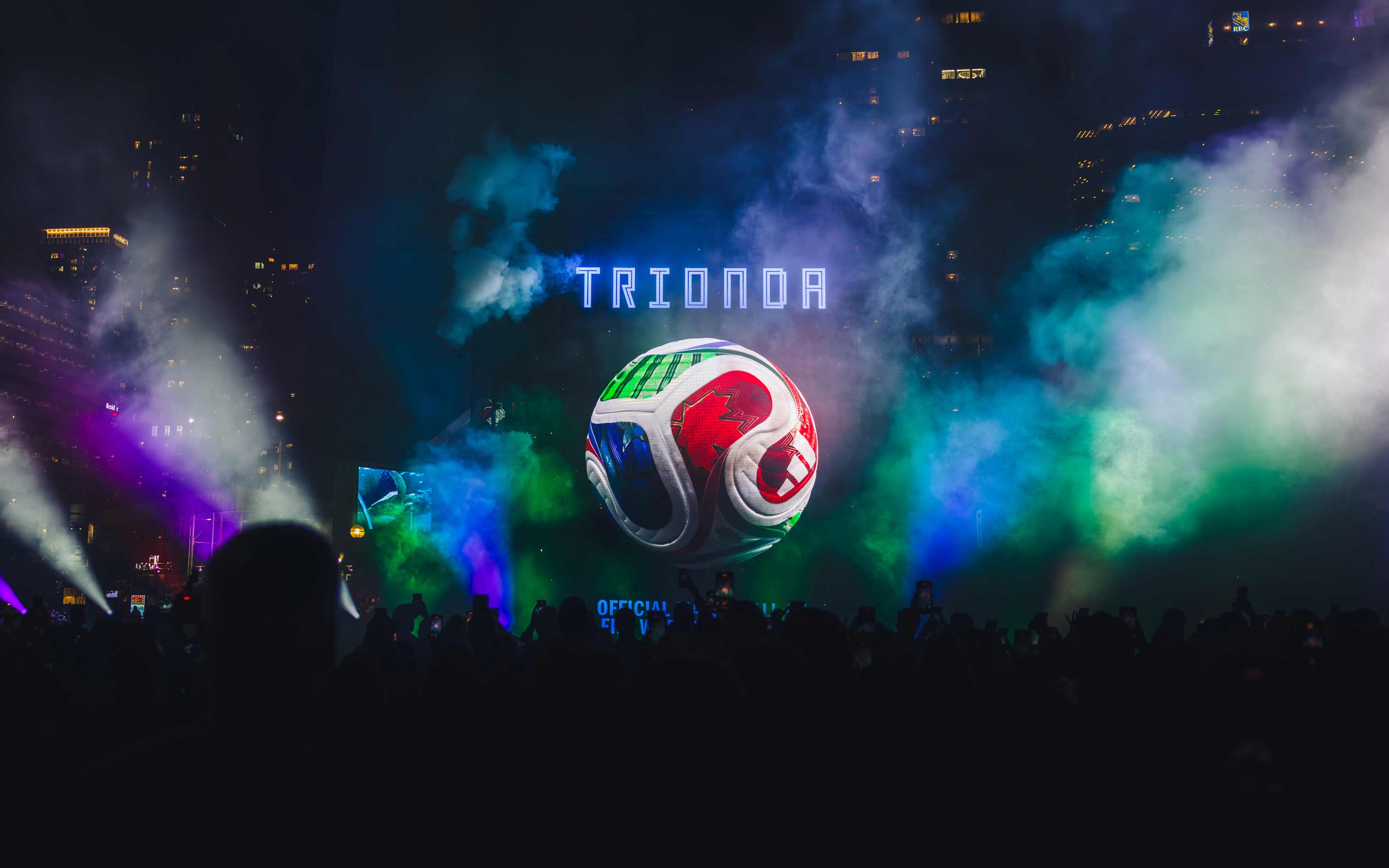
Adidas Trionda WC26
- Production
- Monks
- Role
- Direction · CGI
- Year
- 2025
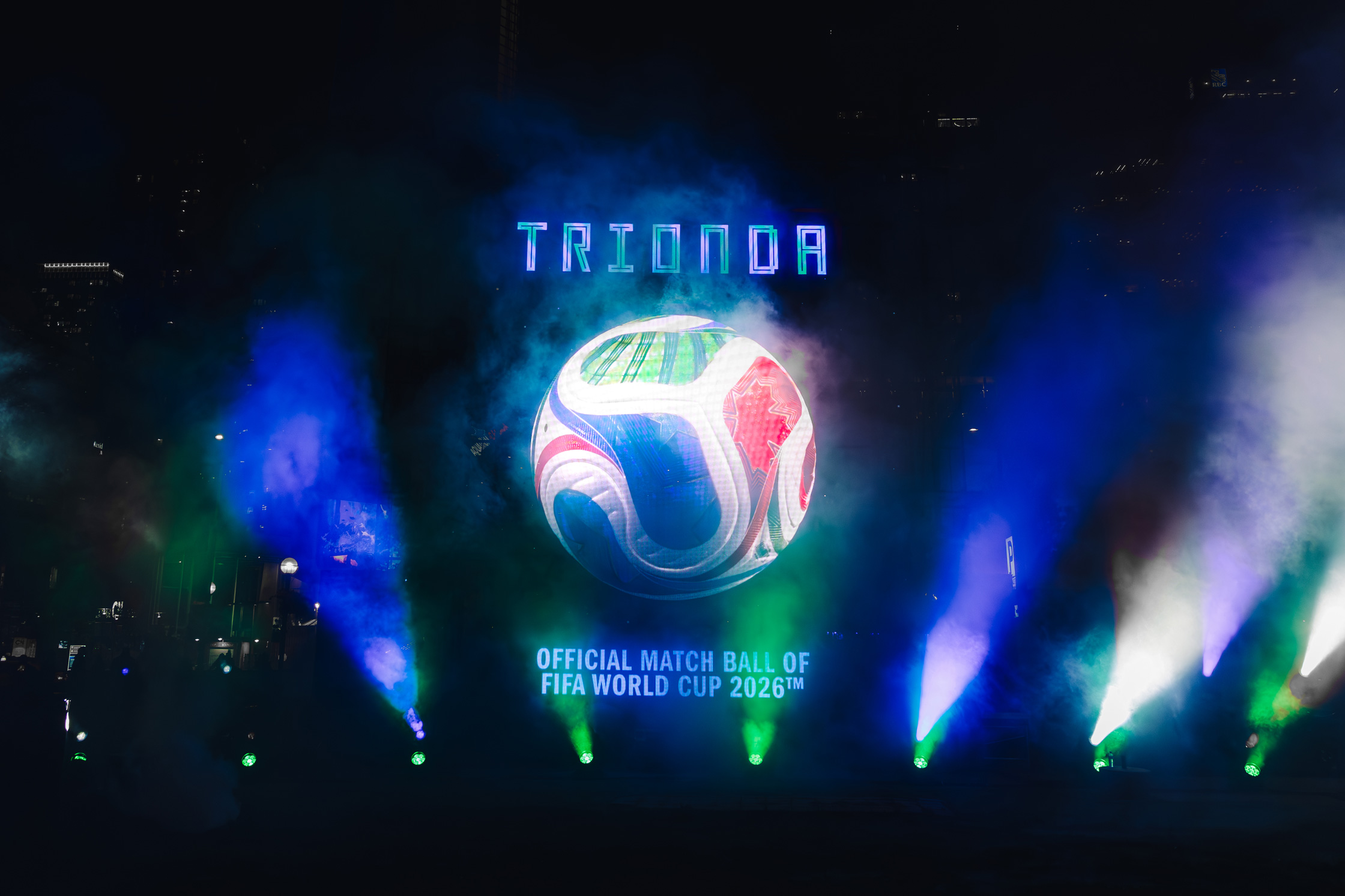
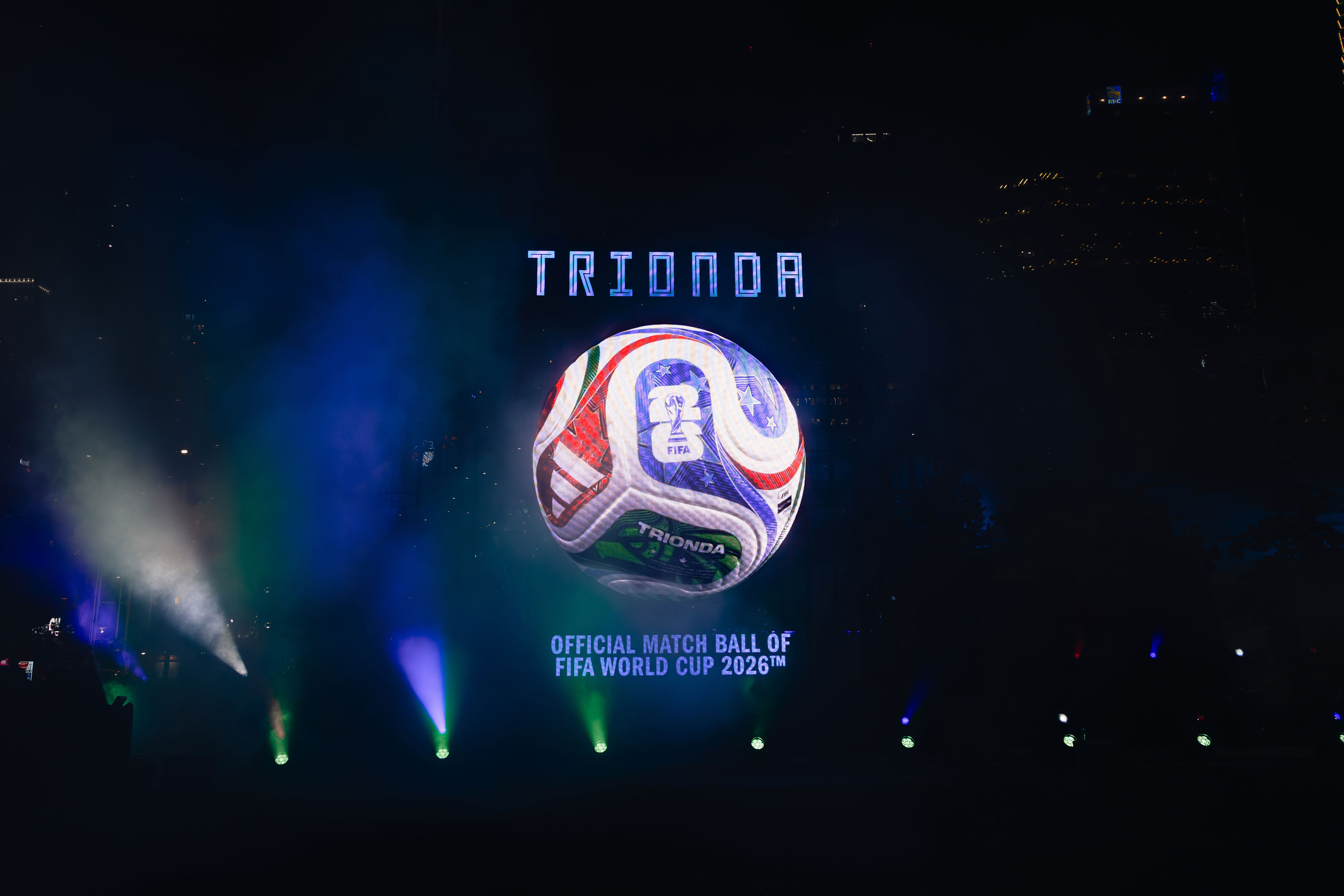
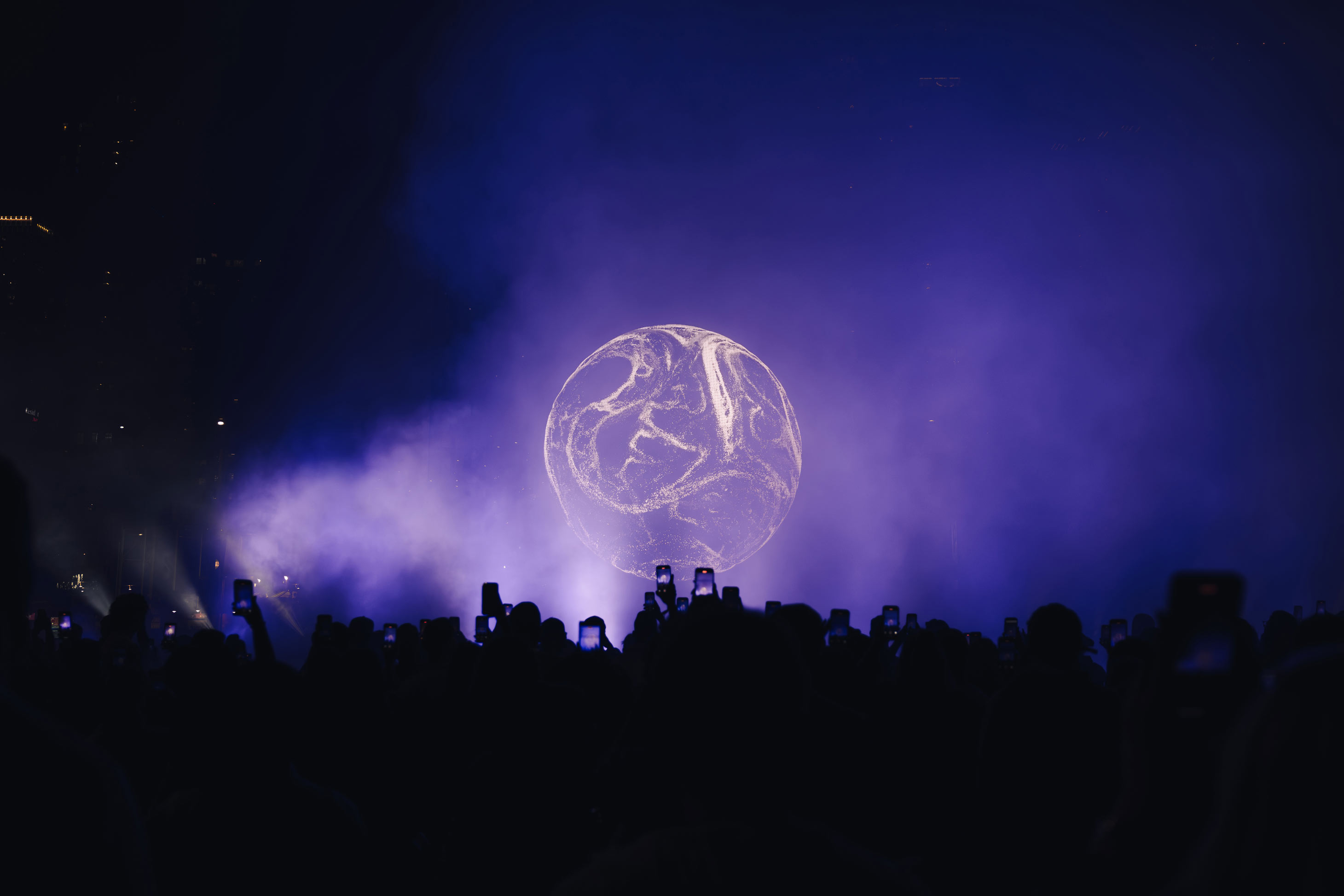
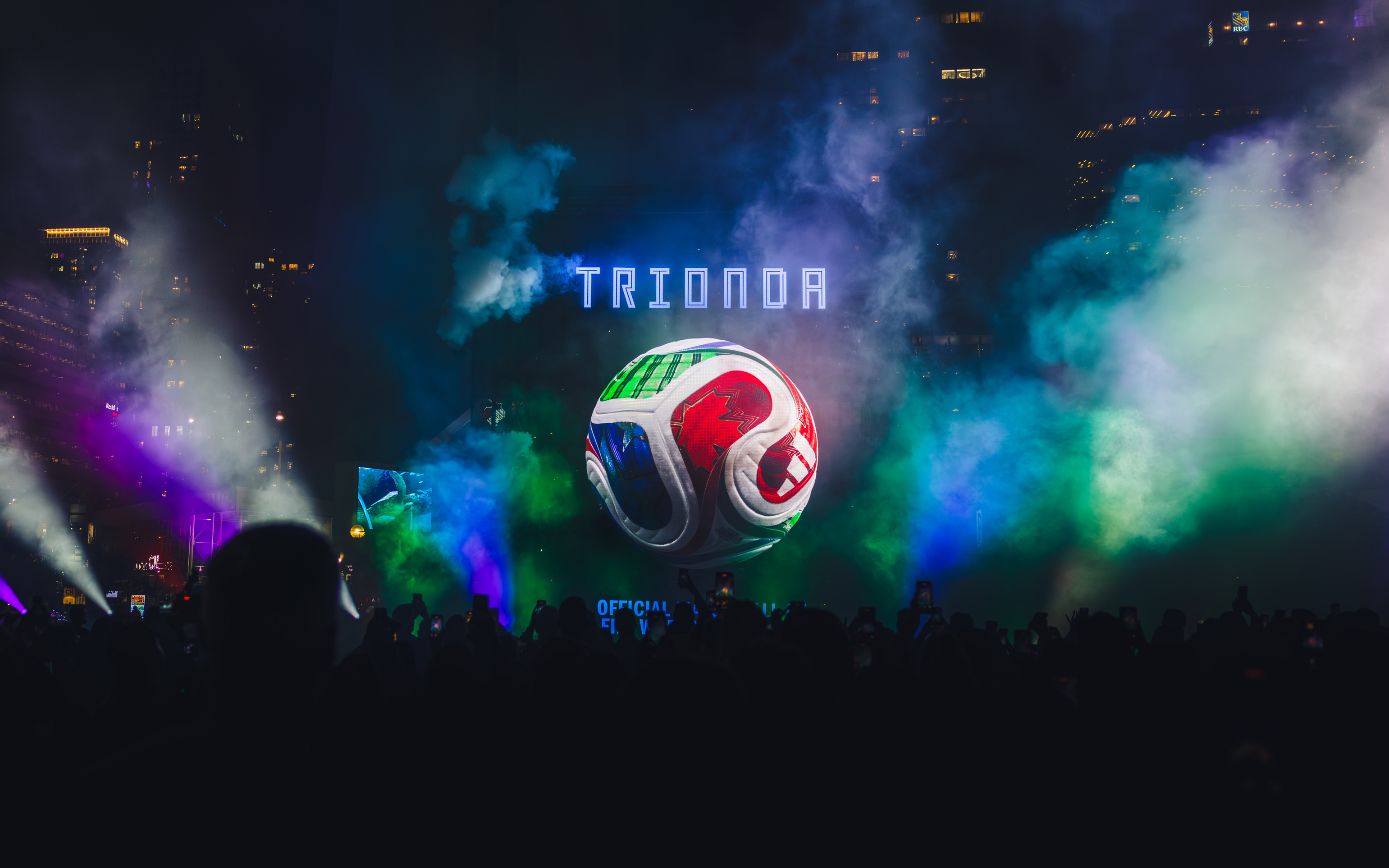
In collaboration with Monks, we partnered with Adidas to launch the official match ball for the FIFA World Cup 2026 — Trionda. My first solo direction on an Adidas project, the brief asked for a cinematic broadcast film that would re-stage soccer's greatest icons as holographic projections — past and present meeting on the same pitch.
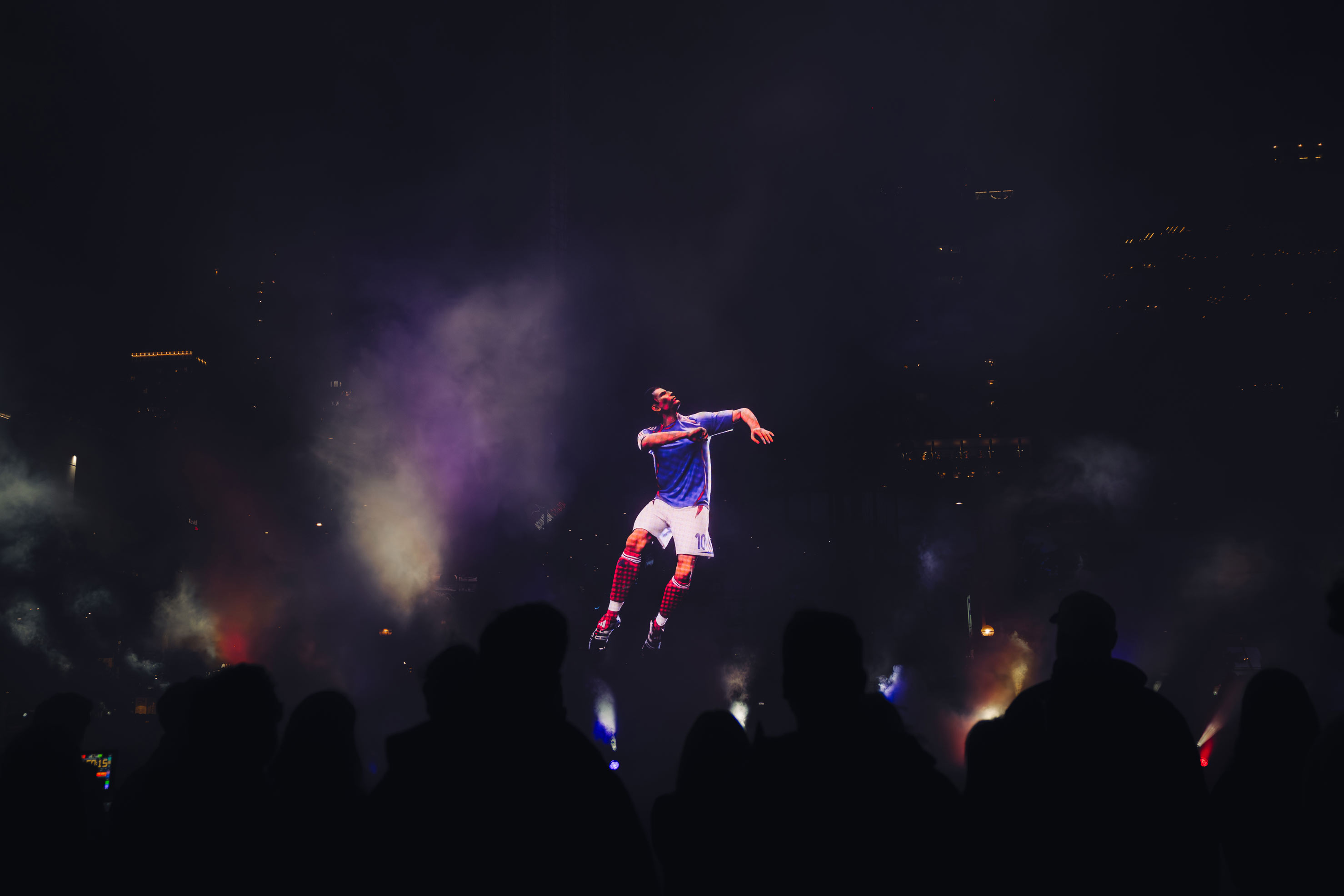
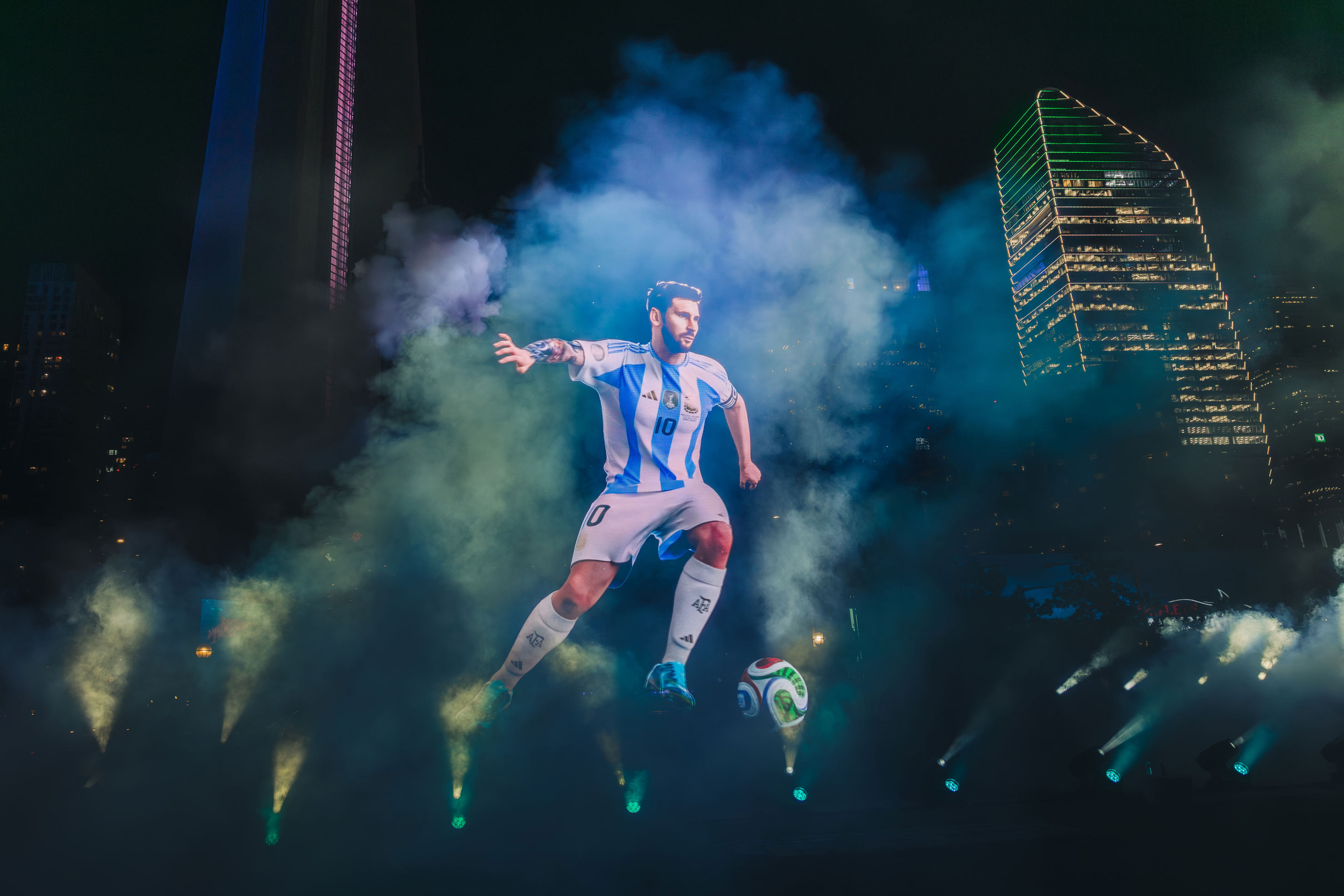
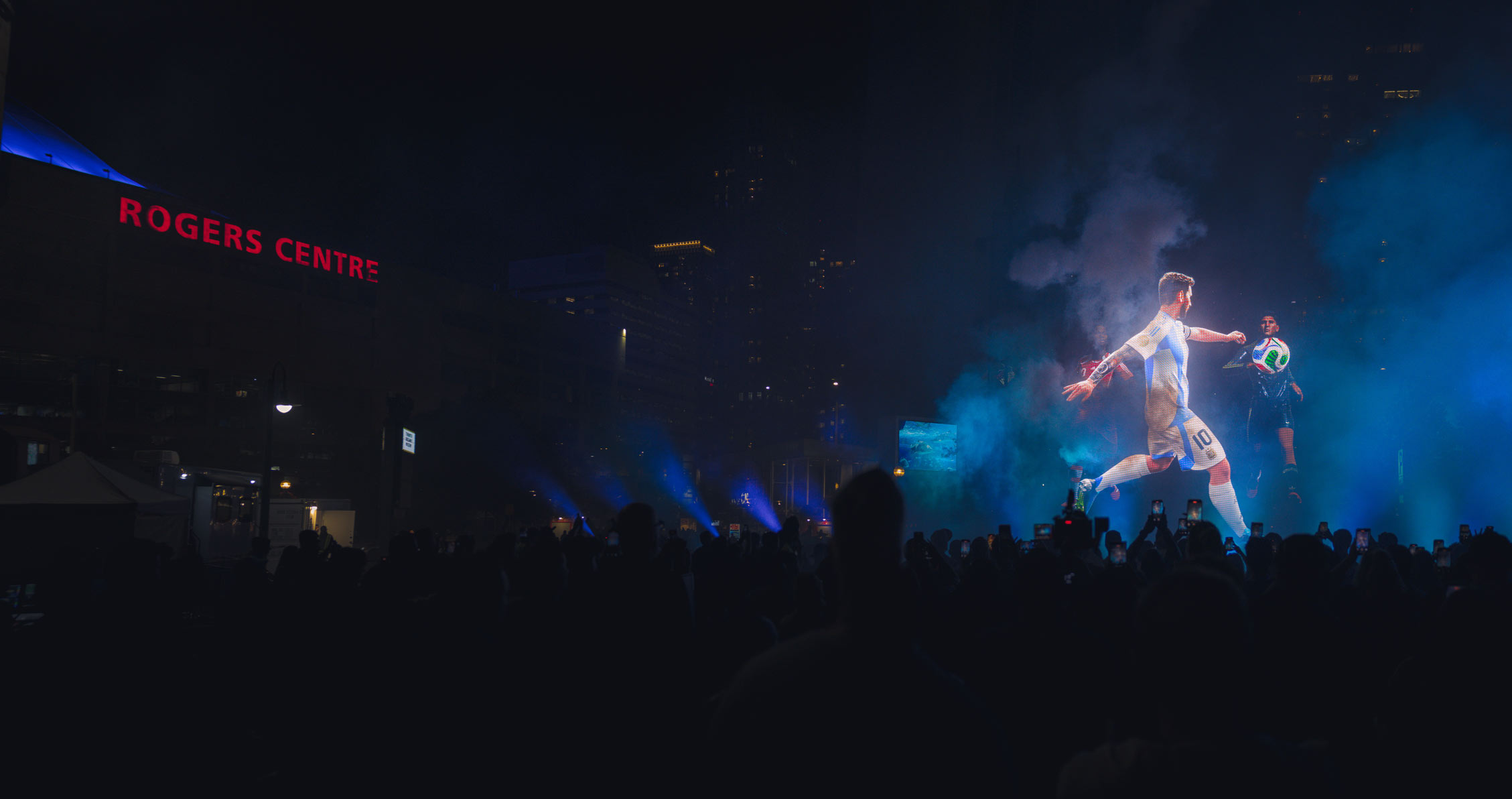
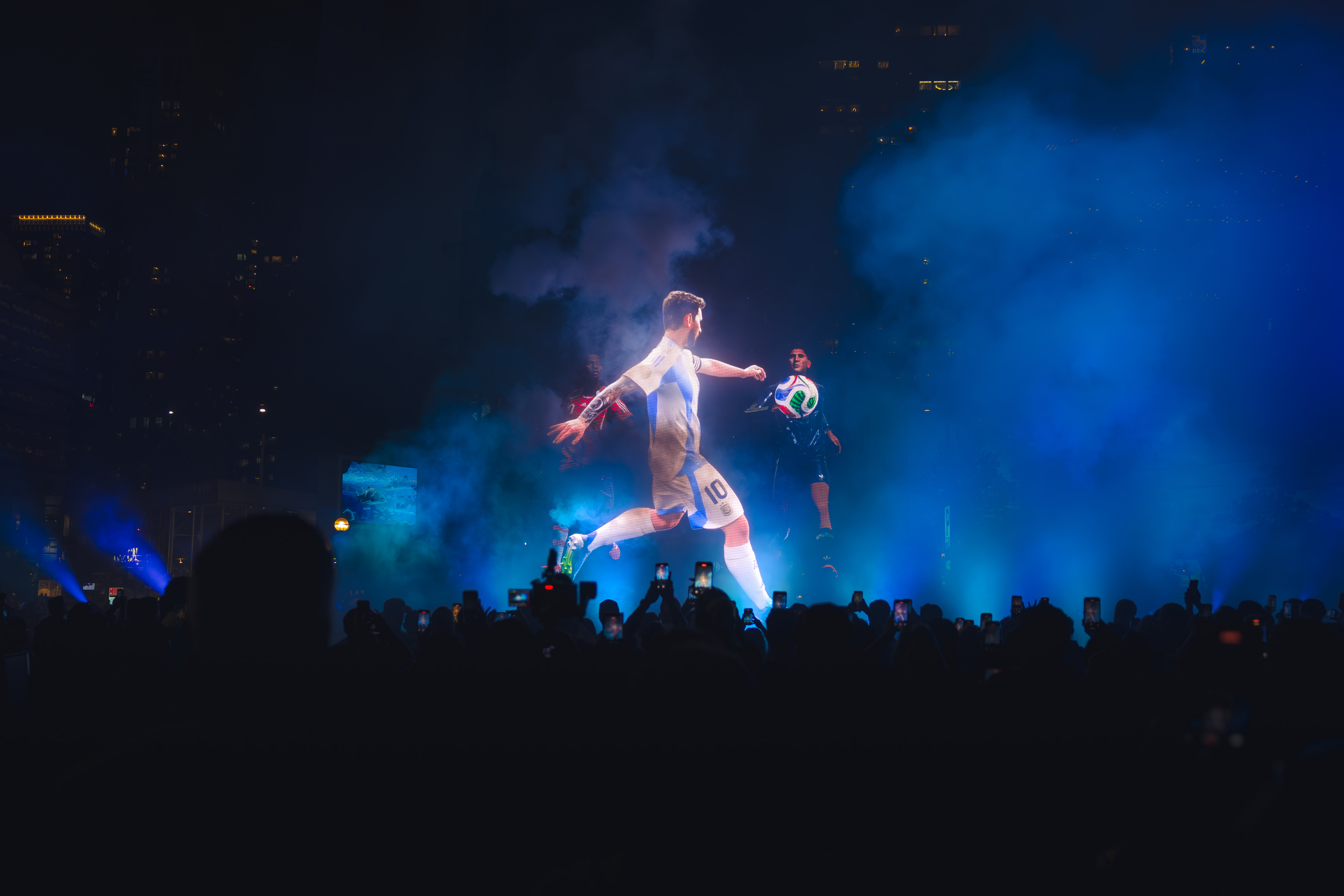
The film is built around a single idea: the legends of the game — past and present — appearing as holograms projected onto the pitch, each one rendered with the era-correct kit they wore in their defining moment. Messi in 2022, Messi in 2024, Zidane, Kaká, Alvarez, David — every player a fragment of footballing memory, brought back as light and geometry.
The hologram look had to feel like broadcast, not VFX — clean, graphic, pitch-side. We worked closely with the holographic projection partner to nail the language of the effect: scanlines, parallax flicker, a colour treatment that reads instantly as "transmission" without tipping into sci-fi cliché.
Every kit was rebuilt from scratch in Marvelous Designer — panel by panel, stitch by stitch. Period reference photos, fabric weight, sponsor placement, even the way each kit broke at the hem was reconstructed so each generation reads as authentically of its moment.
The simulation pass is what makes the holograms feel alive. A slight catch of jersey in motion, drape settling between footplants, sleeve cuffs responding to a weight shift — small things, but without them the players read as statues. With them, they read as footage you almost remember watching.
Once the cloth was simulated, every kit moved into Substance Painter for material work. Adidas stripes, sponsor crests, fabric knit patterns and dirt accumulation — all painted layer by layer, then baked down so the final assets stayed broadcast-ready under the hologram treatment.
We pushed for textures that would survive the colour grade. Holograms flatten contrast, so anything subtle — a panel seam, a dye gradient — had to be exaggerated at the source to read on screen. The trick was keeping it readable without feeling cartoony.
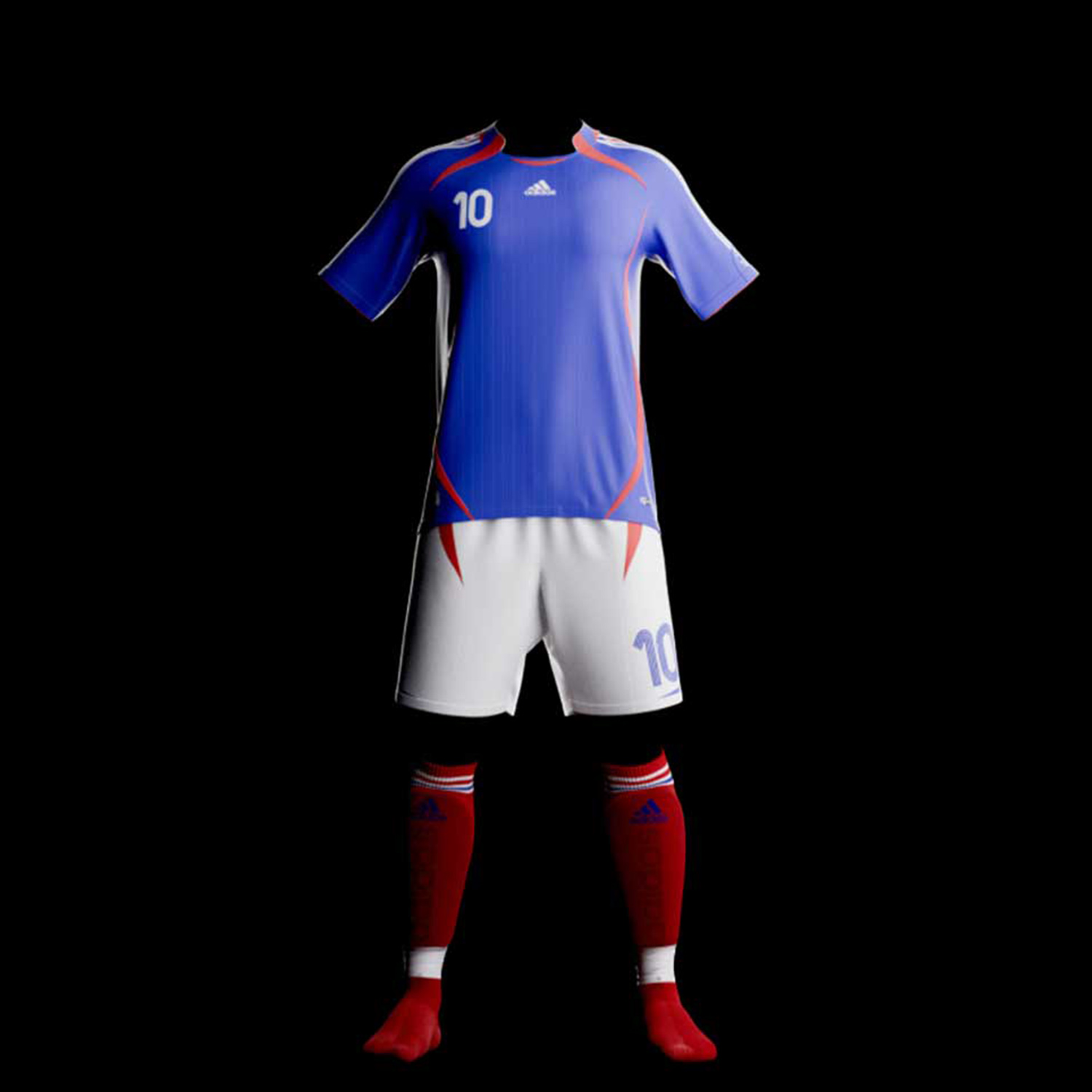
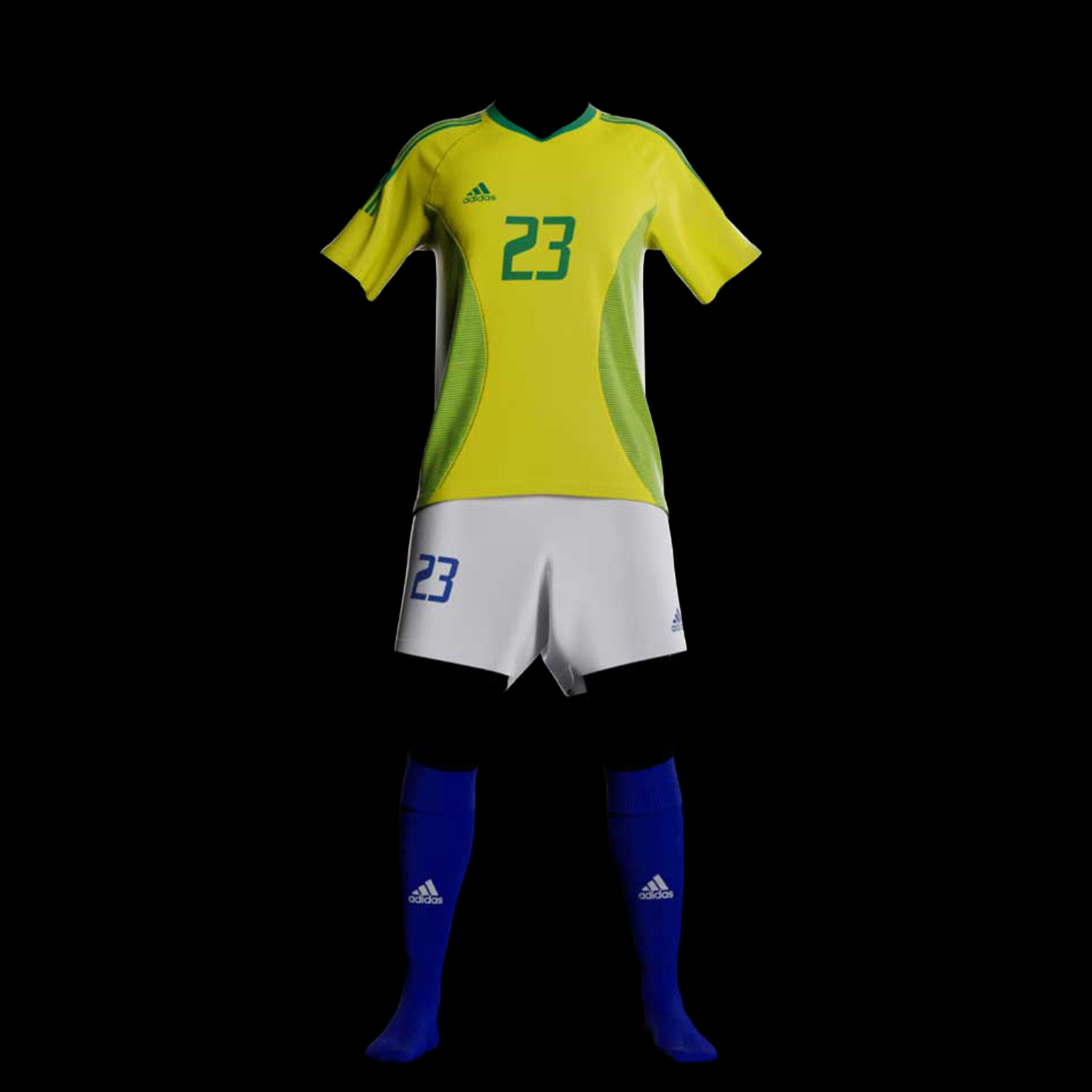
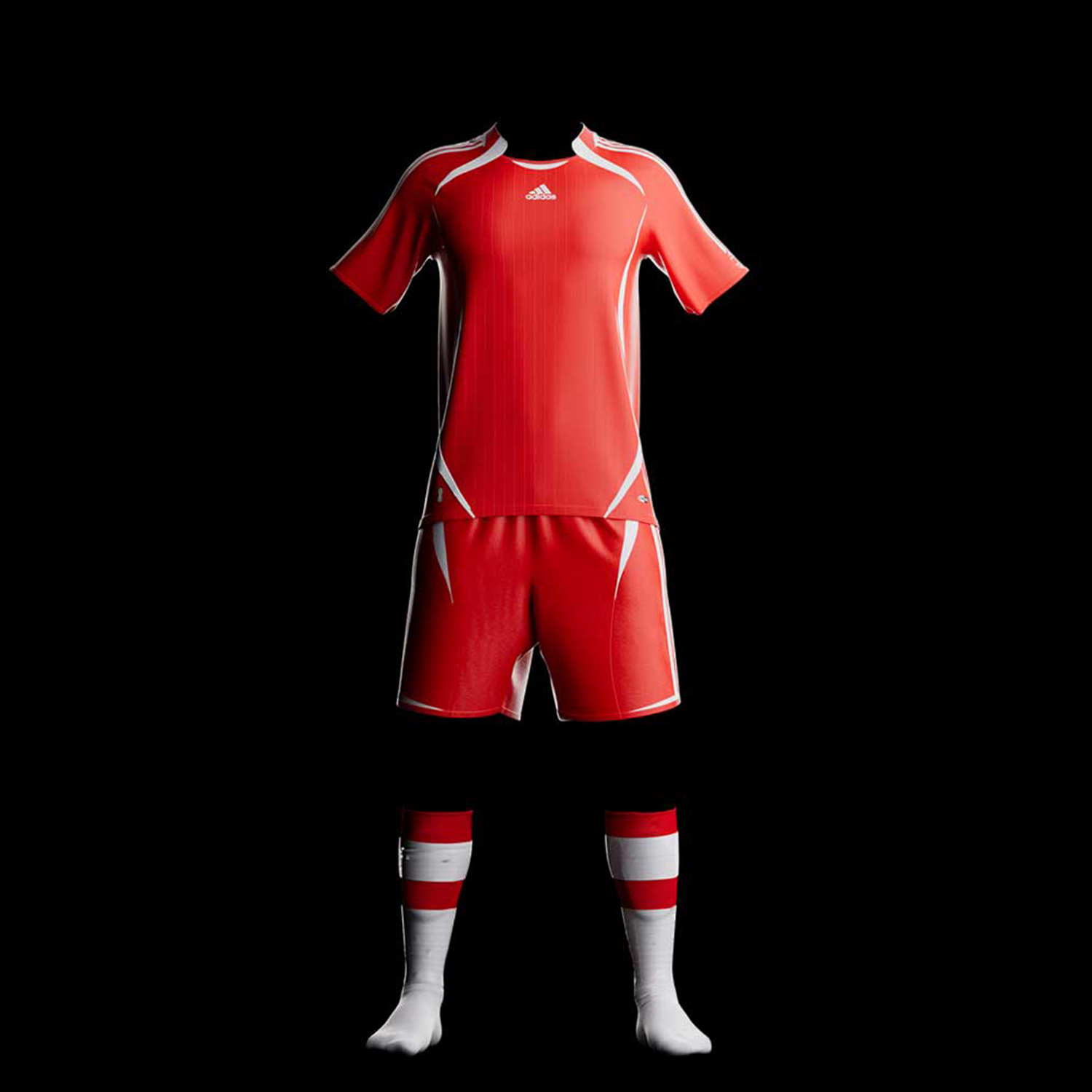
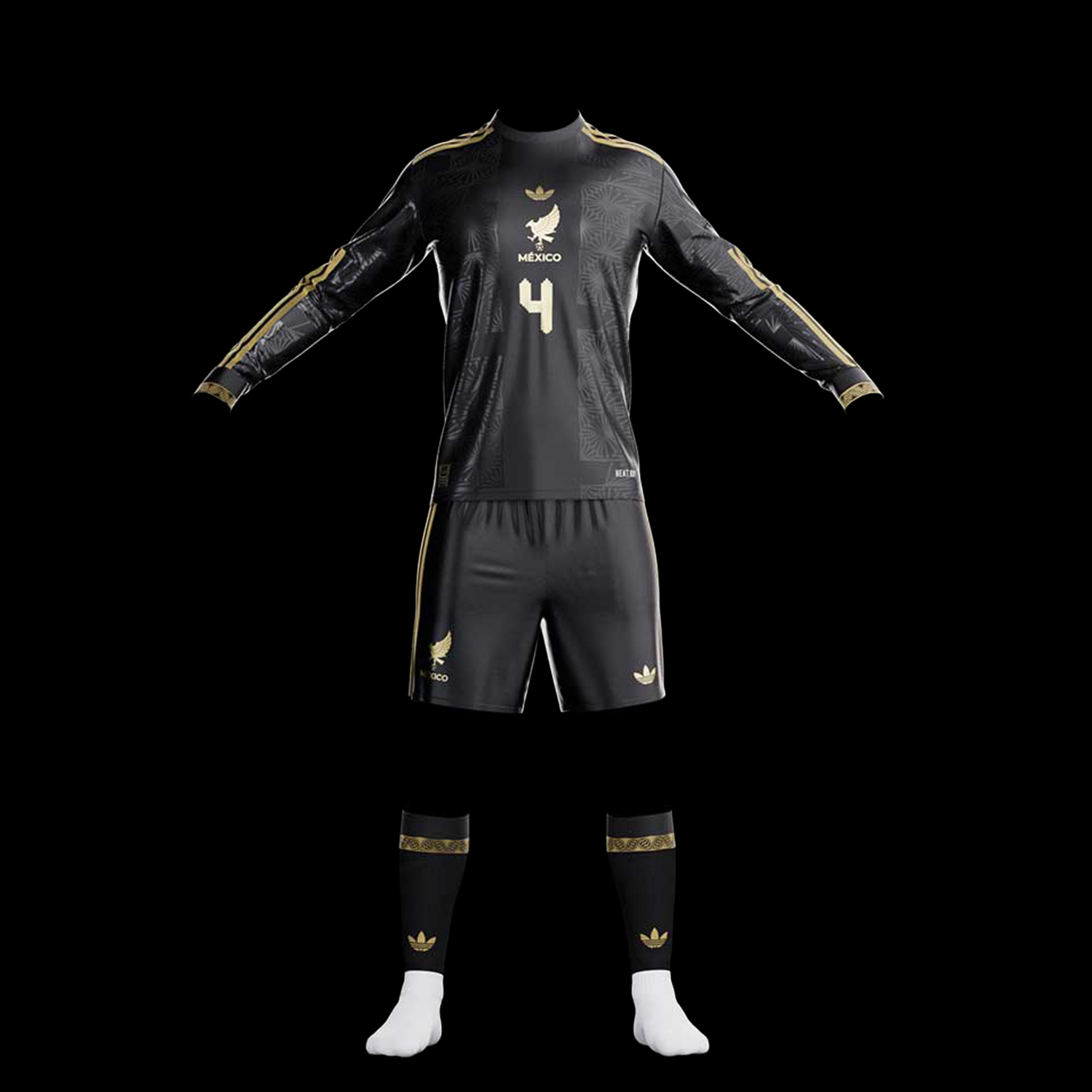
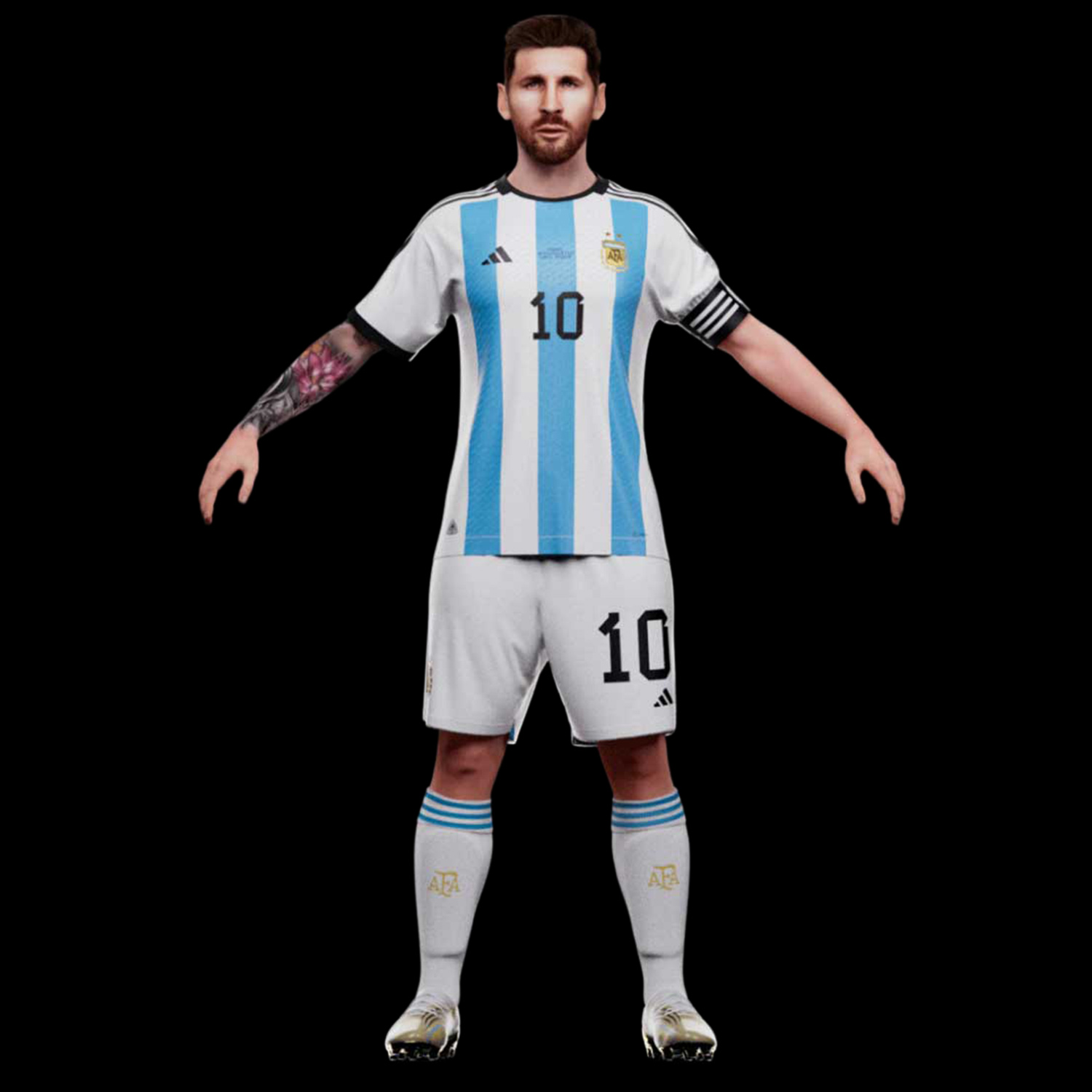
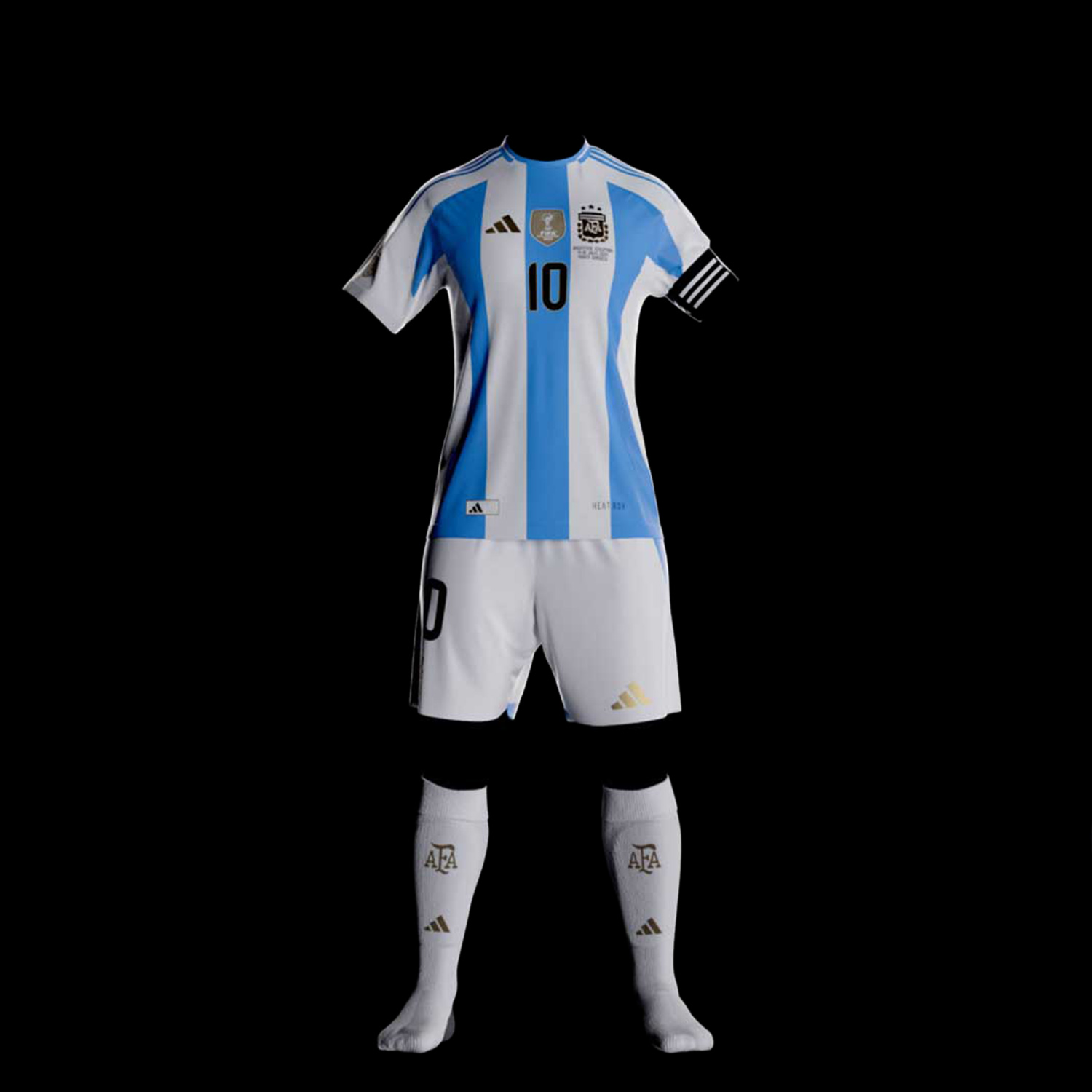
Six players, three eras, one pitch. Zidane, Kaká, David, Alvarez, and two versions of Messi — each rebuilt as a CGI character with the era-correct kit they wore in their defining moment. Past and present meeting on the same broadcast.
The casting choices were as much about the story as the visuals — pulling names that anchor different generations of the World Cup, then letting the holographic treatment blur the line between memory and live action.
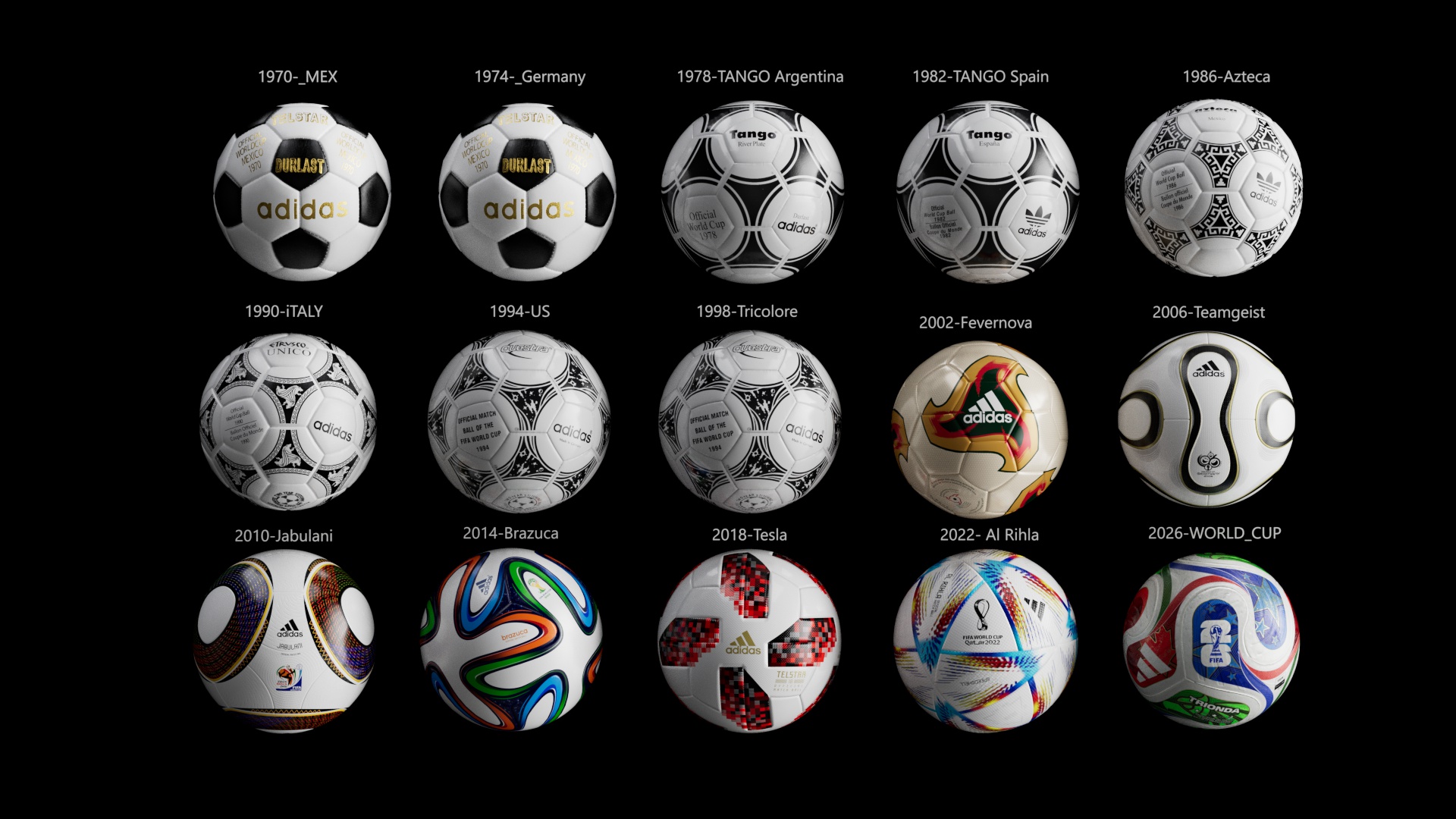
Before the Trionda, there were the balls that defined every World Cup before it. We rebuilt a selection of the most iconic match balls in CGI — panel by panel, era by era — and folded them into the broadcast film as a fast-cut visual genealogy.
By the time the Trionda lands on screen, you've already watched the lineage that precedes it. The new ball reads not as a product launch, but as the next entry in a long, tactile history.
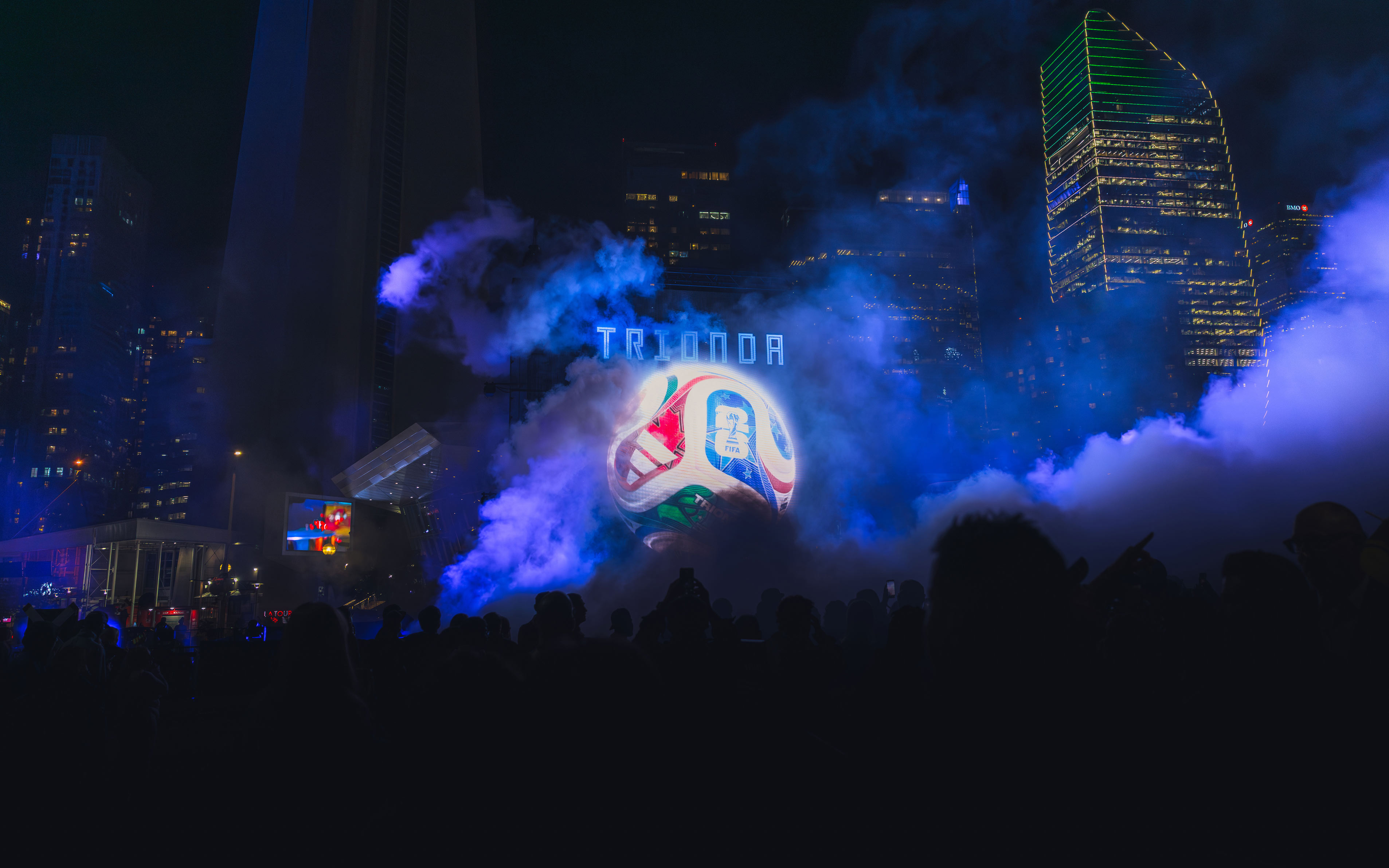
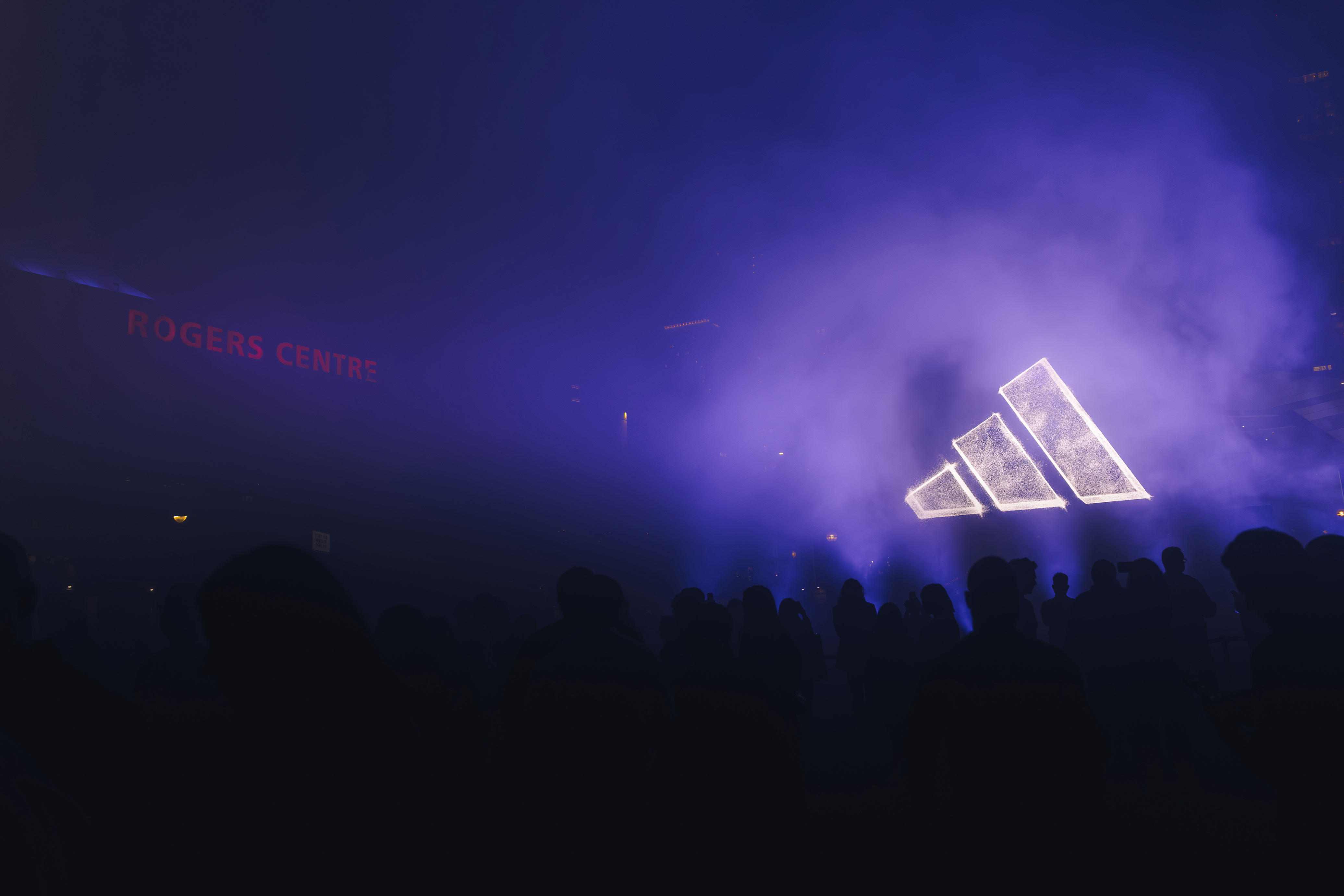
Trionda was my first solo direction on Adidas — a brief that could have lived as a straight CG film, but pushed instead toward broadcast craft and live capture. Working with the Monks team and the Adidas FIFA group, we kept the whole production deliberately compact: small crew, fast iteration, a lot of decisions made in the room.
It's the project I'm proudest of from 2025. Not because it's the biggest, but because every craft call — the hologram language, the kits, the choreography, the ball — landed exactly where we set out for it to land.


Adidas
Monks
Arice
Danilo Nagura
Arice
Ivan Ray
Mauri Vio
Altergaze
Kaleida
2025